


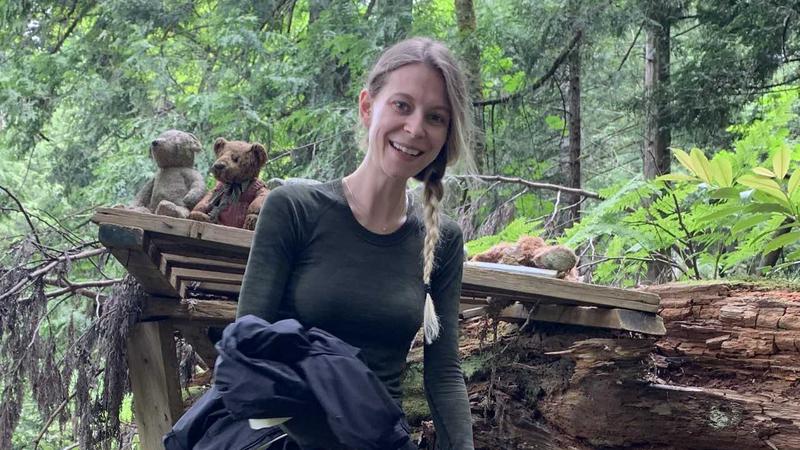
NANAIMO — Non-processed, nutrient-dense whole foods are undeniable pillars of an optimum diet, but a recent Vancouver Island University graduate argues extreme healthy eating can have unintended consequences.
Isabelle Desrosiers, who recently completed VIU’s psychology graduate program, researched an often-overlooked condition not formally recognized as an eating disorder.
Orthorexia nervosa is the unhealthy obsession of exclusively eating healthy, pure foods.
“We should be healthy, but not so healthy that we’re affecting our physical and mental health as a result, because then that becomes unhealthy,” Desrosiers told NanaimoNewsNOW.
Growing up in a high-performance, athletically driven family with rigid eating habits, Desrosiers wanted to learn more about the impacts consuming only healthy foods can have on people’s overall well-being.
“In my study, it was noted that if you were to follow a micro trend you were maybe more at risk because they were a significant risk of orthorexia symptoms,” Derosiers said, who pointed to social media playing strong roles in eating exclusively healthy foods.
A detailed questionnaire by Desrosiers probed participants across the country on a range of topics, including their eating habits, social media usage.
 Desrosiers said a balance is important with one’s diet. (File photo/NanaimoNewsNOW)
Most of the 501 responses were young adults, with Caucasian women being highly represented.
Some respondents were in their 50s, while the majority were British Columbians taking part in the survey between November 2024 and this past March.
Desrosiers said her project appears to profile similarly with past literature demonstrating that overly healthy eating can have tangible negative impacts on people’s lives.
“Their mental health could negatively be affected because maybe they do end up engaging in strong preoccupations of ‘correct’ eating and purity, and their dietary practices become so rigid that they end up in isolation.”
Orthorexia is not officially recognized as a defined eating disorder in the Statistical Manual of Mental Disorders, which is a guide commonly referred to by doctors and therapists.
Desrosiers hopes her project can raise awareness of orthorexia behaviours to potentially connect sufferers with support.
She pointed to prior research showing a link between narcissism, health anxiety and fitness engagement to orthorexia.
“This type of eating condition is out there, and these people get overlooked, but it does seriously affect them.”
Desrosiers, a Qualicum Beach resident, continues reviewing her research and hopes to share her findings at the Canadian Psychological Association Conference in Montreal next year.
Her next goal is attending a clinical psychology PHD program and working as a clinical psychologist specializing in eating conditions and disorders, as well as conducting additional research.
Subscribe to our daily news wrap. Local news delivered to your email inbox every evening. Stay up to date on everything Nanaimo and Oceanside.
info@nanaimonewsnow.com
Follow us on: Twitter (X) | Bluesky | Facebook